
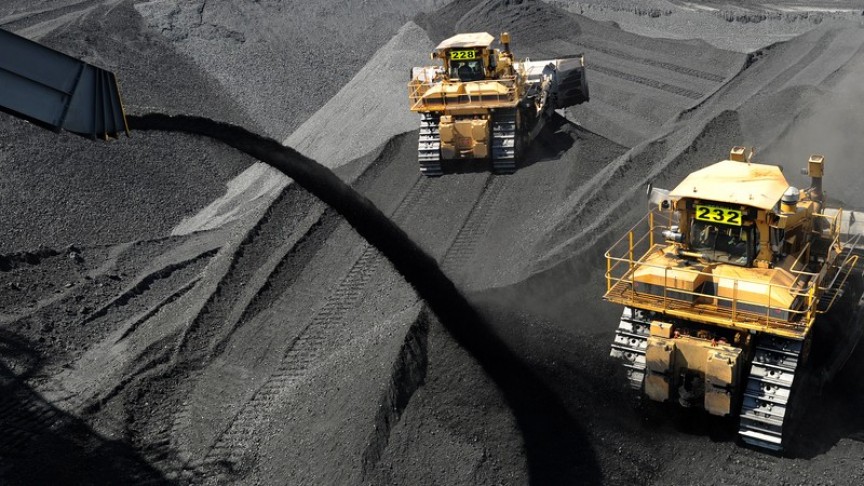
Peabody Energy, the world’s largest private sector coal miner, announced that it has filed for Chapter 11 bankruptcy protection.
 Amidst an industry which is reeling from low production and demand, and facing an upsurge in both gas and renewable energy electricity generation, the global coal industry has been waiting for its biggest victim to announce itself. In a press release published Wednesday, US-based coal mining company Peabody Energy announced that it had voluntarily filed for Chapter 11 bankruptcy protection for the majority of its US entities in the US Bankruptcy Court for the Eastern District of Missouri.
Of course, this is not the first coal mining company to file for bankruptcy protection, given the industry’s multi-year-long downward trend. Other coal production companies that have recently turned towards bankruptcy protection include Arch Coal Inc., Alpha Natural Resources, Patriot Coal Corp., and Walter Energy Inc.
The US coal industry has been hit by a perfect storm of events, triggering a massive decline in production and demand. A warm winter, declining exports, and the rise of gas and renewable energies have all resulted in historic declines. Earlier this year the US Energy Information Administration revealed that US coal production had fallen to its lowest levels since 1986, dropping 10% in 2015 on the year earlier.
Just this week, as highlighted by the Institute for Energy Economics and Financial Analysis, US coal production is currently running 30% below what it was this time last year, and in the week ending April 2, the US coal industry produced 38% less than the comparable week a year earlier, and half that of the comparable week in 2008.
Peabody Energy, in the press release announcing its decision, said that it “intends to reduce its overall debt level, lower fixed charges, improve operating cash flow, and position the company for long-term success, while continuing to operate under the protection of the court process.” Specifically, as of writing, all of Peabody’s offices and mines are expected to continue doing so for the duration of the process, while its Australian entities and operations will all continue unaffected by proceedings, as they were not included in the filings.
Source: http://cleantechnica.com/


